How to Cancel Amazon Prime and Reclaim a Prorated Refund
Cancel before using anything and request a prorated refund promptly to recover your money.
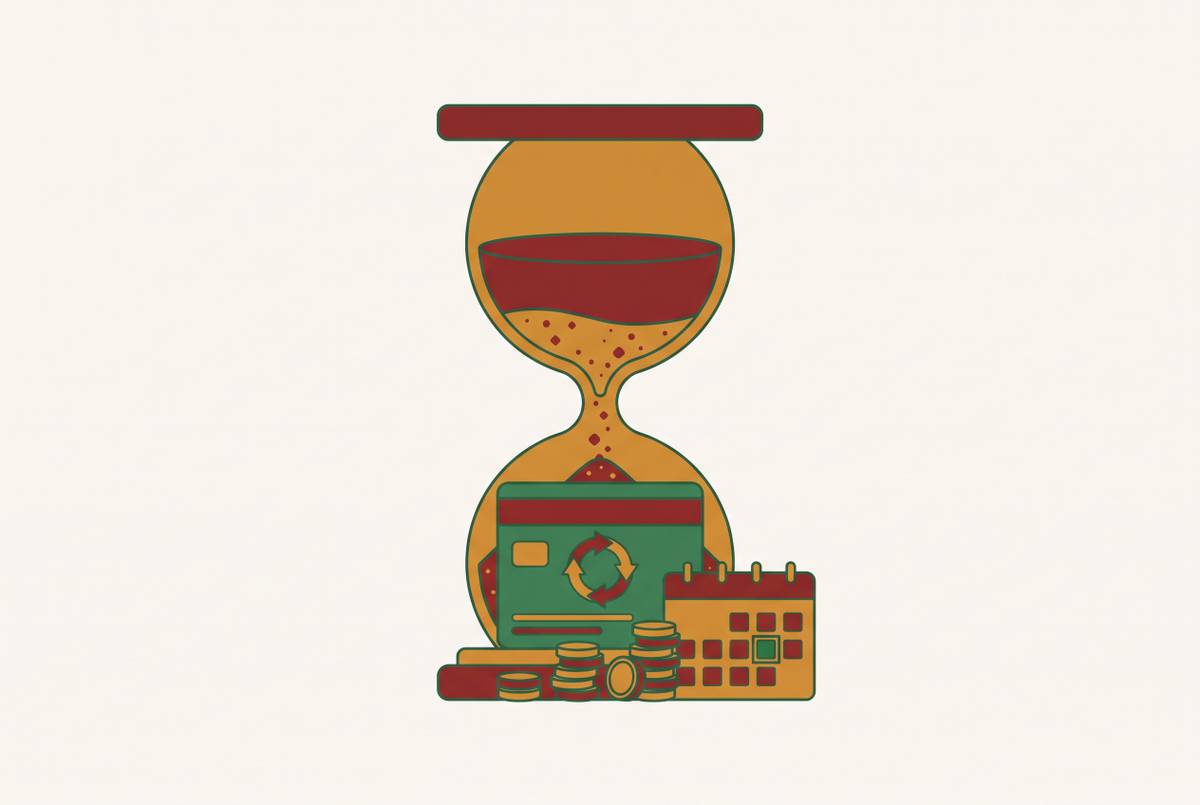
Amazon Prime costs $14.99 a month or $139 a year as of 2026, and canceling it should take about thirty seconds, but it doesn't work that way in practice. That gap between "should be simple" and "actually is" is where members leave real money behind: an unused prorated refund, a late delivery credit nobody bothered to claim, a settlement payment sitting in a database with no name attached to it. Most people get the timing backwards, too, they think a fast cancellation costs them the year they already paid for, when the slow ones, the ones where you stream one show before hitting cancel, actually cost you the refund entirely.
Prime has splintered into tiers most members can't name. Standalone Prime Video without shipping runs $8.99 a month. A new ad-free tier called Prime Video Ultra, repriced and rebranded on April 10, 2026, adds $4.99 a month on top of that and is now the only way to get 4K, UHD, or Dolby Atmos streaming. There's also a $6.99 monthly rate for anyone who qualifies through government assistance or income verification. For most of the 180 million-plus U.S. members, Prime isn't a decision anymore. The free 30-day trial converts to a paid plan automatically, and that's the exact moment most people lose track of whether they ever chose this in the first place.
Why most people leave money behind when they cancel
Most people assume Amazon's refund policy runs on a clock: cancel within X days, get your money back. That assumption is wrong. The policy is use-based instead, and that single fact changes when you should actually hit cancel.
Outside a narrow window covered below, a full refund only happens if the account made zero eligible purchases and used zero Prime benefits since the last charge. "Used a benefit" casts a wider net than it sounds like, wide enough to swallow most cancellations before they even start. Watching one episode on Prime Video voids it, placing a single order with Prime shipping voids it, and streaming one song through Prime Music during the current billing period voids it too. Any one of these, alone, kills the refund.
The 3-business-day window works differently. Cancel within 3 business days of signing up, or within 3 business days of a free trial converting to paid, and you get a full refund, minus the value of whatever got used during those days.
Billing type changes the math further. Monthly plans get no refund for the current month; cancel today, and the plan just stops renewing next cycle. Annual plans can qualify for a pro-rata refund on every full month remaining, and that's where the real money sits.
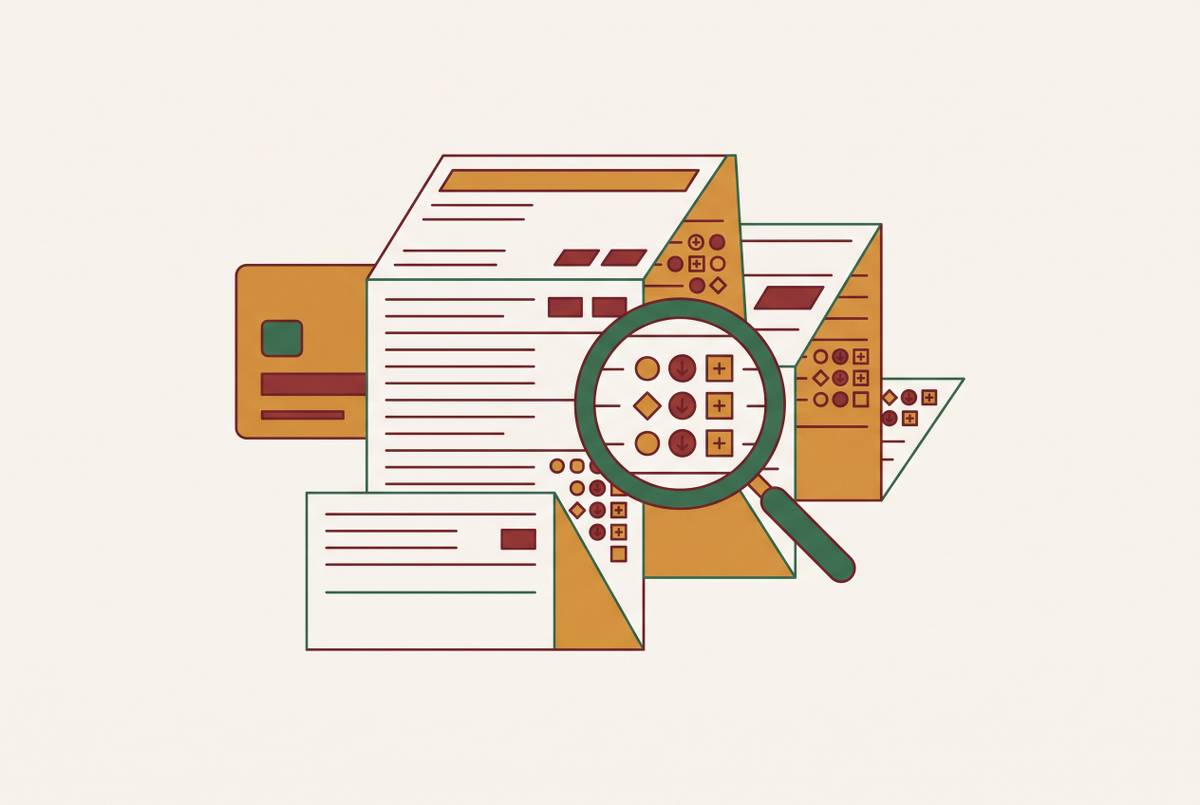
Before canceling anything, audit what's been touched since the last renewal date. If nothing's been used and nothing bought, the refund is likely owed. A show streamed back in March closes that window for good, and no amount of asking nicely reopens it.
Here's the detail worth sitting with: when Amazon itself ends a membership, rather than the customer, it issues a prorated refund based on full months remaining, no usage audit required. That's a far more generous rule than the one applied to voluntary cancellations, and it exposes the logic underneath the whole system. The policy rewards speed over patience. Cancel right after renewal, before touching anything, and the refund comes clean, but wait a few weeks, watch one show, and the door shuts.
How to cancel Amazon Prime without getting tripped up by the retention flow
The path starts simply enough: sign in to Amazon, hover over "Account & Lists," click "Prime Membership," then select "End Membership and Benefits."
What happens next isn't an accident. Amazon runs a retention sequence before letting anyone reach a final confirmation screen: discounted rates, pause options, anything to keep the account breathing. The FTC's case against Amazon named this internal flow "Iliad," a nod to the Greek epic and a pointed jab at how deliberately long the company engineered it to be.
Decline every offer. Keep clicking "End Membership" or "Cancel" through each screen until the explicit confirmation shows up, and don't let a discounted rate talk you out of it if the goal is actually leaving. Note the date Amazon shows for when benefits end, since that date anchors the refund math in the next section.
A couple of operational notes matter here. If the subscription began through the Apple App Store or Google Play instead of amazon.com directly, canceling on Amazon's site does nothing, so cancel through whichever platform the subscription originated on instead. If the online flow breaks or refuses to cooperate, customer service is reachable at 1-888-280-4331.
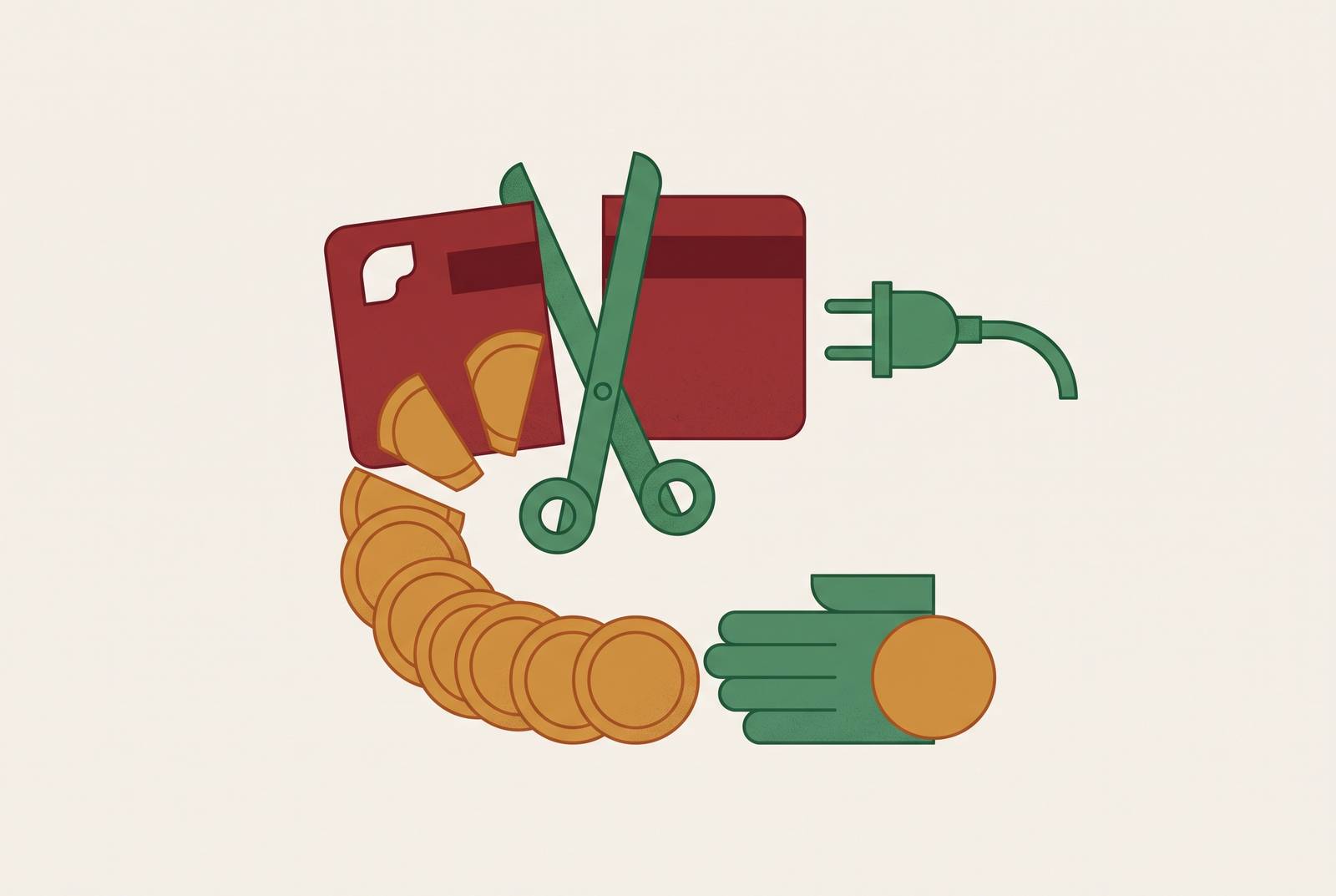
Under the FTC settlement, Amazon agreed to simplify this flow, and it now runs fewer steps than before the settlement took effect. The retention offers haven't vanished, but the maze got shorter. Once confirmed, Prime benefits stay active through the end of the current billing period, and whether money comes back after that depends entirely on the usage audit above.
How to claim the prorated refund you may be owed
The strongest claim belongs to annual subscribers who cancel early in their membership year, having used nothing since the last renewal. Timing determines almost everything: canceling on day 2 of a new annual cycle is worth dramatically more than canceling on day 300, since Amazon calculates the refund on full months remaining, not days.
Requesting it takes three steps. Go to "Help," then "Contact Us," and select the Prime membership charge in question. State plainly that no Prime benefits have been used since the last billing date and that a prorated refund is what's being requested. Keep a written record of the exchange in case the first answer is no.
Monthly subscribers shouldn't expect a partial-month refund; the realistic outcome there is stopping future charges before they start, full stop. If a request gets denied and the usage history says otherwise, escalate to 1-888-280-4331 with the billing date and usage history in hand. Amazon's membership terms page beats whatever a rep says on the phone almost every time, so treat it as the source of truth when the two conflict.
The generosity here doesn't last. The longer the wait after a renewal date, or the more benefits touched in the meantime, the narrower this window gets, and it only moves one direction.
The FTC's $2.5 billion settlement and what it means for current members
On September 25, 2025, Amazon agreed to a $2.5 billion settlement with the FTC, the agency's largest settlement on record and the second-highest consumer refund award in U.S. history. Of that, $1.5 billion goes back to consumers directly and $1 billion counts as a civil penalty, covering roughly 35 million customers the FTC found harmed by Amazon's enrollment practices.
This settlement refund runs separate from the standard cancellation refund covered above, with its own eligibility rules. A customer qualifies if they signed up through what the FTC called a "challenged enrollment flow" between June 23, 2019 and June 23, 2025, or if they tried and failed to cancel during that same window. They also need to have used no more than three Prime benefits, Prime Music or Prime Video among them, in any 12-month period after enrolling. The maximum payout is $51.
Amazon sent automatic refunds to eligible customers between November 12 and December 24, 2025, through PayPal or Venmo, with a 15-day window to accept the payment. Anyone who missed the automatic round sits in the claims process now, with payments expected sometime in late 2026. Claims questions can be directed to the FTC's settlement administrator.
The settlement resolved the FTC's claims without a trial. What the agreement established is what matters: the Iliad flow was built to confuse people on purpose, and a federal agency pursued that as fact. That finding validates what a lot of members already suspected, and it sets a real precedent for what "easy cancellation" has to look like industry-wide from here.
Late delivery credits Prime members routinely miss
Amazon delivered more than 8 billion items same-day or next-day to U.S. customers in 2025, up 30% from the year before. Against that volume, a 2025 survey from HubBox found 53% of U.S. orders arrived late, damaged, or at the wrong address. Set those two numbers next to each other, and the gap between them is exactly where unclaimed credits pile up.
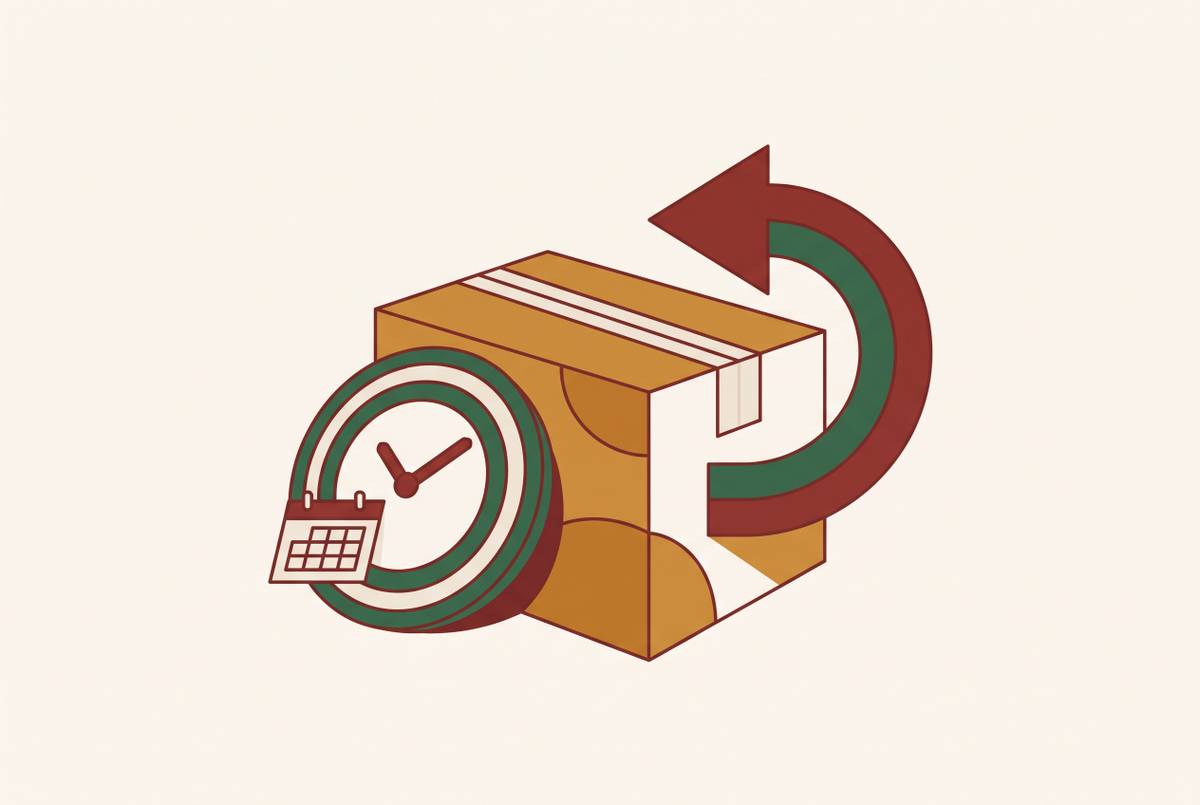
Shipping fee refunds are the weakest form of compensation for Prime members, since shipping is already free. What actually matters: promotional credits between $5 and $40, Prime membership extensions, partial refunds up to 30% of the order's total value, and occasionally a full refund while the customer keeps the item.
Compensation now leans on monetary credits and service benefits scaled to how bad the delay actually was, not a blanket freebie regardless of severity.
The guarantee only kicks in under two conditions: checkout showed a guaranteed delivery date, and the delay was Amazon's fault, not weather, not a wrong address entered at checkout. Since Prime shipping is already free, there's no shipping charge to refund in the first place, so credits and account balance adjustments are the real recourse.
None of this pays out automatically. Someone has to notice the late package and ask, and almost nobody does it consistently, month after month, package after package.
Why Amazon Prime cancellation is one instance of a much larger subscription problem
Zoom out, and Prime is one line item in a much bigger pattern. West Monroe data shows the average household added 2.5 new subscriptions in 2024 while canceling only 1.2. That doesn't balance out, it compounds, and unused subscriptions now run the average person $205 a year.
Price increases make it worse quietly. Late in 2025, hikes of $1 to $3 per service pushed many households $15 to $30 higher every month, with no alert telling anyone it happened. Nobody sends a notice that says the bill just went up; it just does, and the charge sits there until someone happens to look.
The financial logic behind the friction isn't subtle, and it's worth naming directly: the Groundwork Collaborative found that making cancellation harder can boost a company's revenue by more than 200%. That's the actual incentive behind Iliad and every flow like it across the subscription industry, hidden fees, deliberately hard cancellations, junk charges, the whole annoyance economy.
None of this is accidental, since these services get built for inertia, and the customer is the one who has to fight through friction the company designed on purpose. Most people don't fight it. Instead, they keep paying, month after month, without ever deciding to.
How to keep this from happening again with every subscription you hold
The manual toolkit is familiar: calendar reminders for trial end dates, monthly bank statement audits, scanning email receipts for price-change notices. All of it works in theory. In practice, it demands ongoing vigilance almost nobody sustains past the first few months, because life gets in the way and the spreadsheet stops getting updated.
That's the real problem, and it's structural, not a matter of discipline. Subscription creep isn't a one-time cleanup job. Services reprice, re-bill, and re-enroll on a rolling basis, so fixing it once doesn't fix it twice. It's a permanent condition, and treating it like a project with an end date is exactly why the spreadsheet method fails almost everyone who tries it.
Whatever tool handles this needs a specific set of capabilities, and most subscription trackers on the market don't clear the bar. It has to connect to bank accounts and email so it can catch charges no matter which card or account they hit, and it has to flag price increases on subscriptions already held, not just alert on new sign-ups. It has to surface free trials before they convert, not after the charge posts, and catch duplicate charges and subscriptions genuinely forgotten. It needs to run in read-only mode, so it can see the account without ever moving money out of it, and every finding needs a dollar amount and a next step attached, not a dashboard someone has to sit down and interpret on a Sunday night.
Compass+ takes this approach. It connects to bank accounts, email, calendar, Amazon, and other subscription services in read-only mode, and it watches continuously for unused subscriptions, price increases, unclaimed refunds, late delivery credits, and free trials about to convert. Each finding comes with the specific dollar amount attached and the action already worked out, so there's no audit required on the user's end.
A budgeting app tells you what you already spent. Compass+ surfaces what you can stop spending and what you're already owed, whether that's an Amazon Prime refund caught before it slips past the window or one caught after the fact and still recoverable. Connecting more accounts just gives it more surface area to find real, specific savings, with no privacy tradeoff involved.